Showing 1 - 20 out of 200

| Clamping force | 250 T |
|---|---|
| Tie bar spacing (H) | 685 mm |
| Shot weight | 679 g |
| Platen length | 1005 mm |
| Bi-metal screw | No |
| Robot interface | |
| Number of heating zones | 6 |
| Mould size | 280-700 |
| Screw diameter | 60 mm |
|---|---|
| Tie bar spacing (V) | 735 mm |
| Pressure on material | 998 bar |
| Platen width | 950 mm |
| Equipped with robot | No |
| Number of cores | 4 |
| Opening of the press | 550 mm |

 Uzbekistan
2016
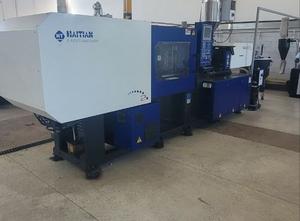
| Clamping force | 200 T |
|---|---|
| Tie bar spacing (H) | 560 mm |
| Shot volume | 330 cm³ |
| Pressure on material | 180 bar |
| Platen width | 830 mm |
| Equipped with robot | No |
| Opening of the press | 490 mm |
| Screw diameter | 45 mm |
|---|---|
| Tie bar spacing (V) | 560 mm |
| Shot weight | 292 g |
| Platen length | 830 mm |
| Bi-metal screw | Yes |
| Robot interface | нет |
| Mould size | 180-520 |
Uzbekistan
2016
| Clamping force | 120 T |
|---|---|
| Tie bar spacing (H) | 410 mm |
| Shot volume | 214 cm³ |
| Pressure on material | 170 bar |
| Platen width | 600 mm |
| Equipped with robot | No |
| Opening of the press | 360 mm |
| Screw diameter | 40 mm |
|---|---|
| Tie bar spacing (V) | 410 mm |
| Shot weight | 195 g |
| Platen length | 600 mm |
| Bi-metal screw | Yes |
| Robot interface | |
| Mould size | JTMOLD: 400х450х380, 150-430 мм |

 Czech Republic
2015
| Clamping force | 350 T |
|---|---|
| Pressure on material | 196 bar |
| Platen width | 1090 mm |
| Robot interface |
| Screw diameter | 65 mm |
|---|---|
| Platen length | 1090 mm |
| Equipped with robot | Yes |
| Mould size |

| Clamping force | 200 T |
|---|---|
| Tie bar spacing (H) | 560 mm |
| Shot volume | 442 cm³ |
| Platen length | 830 mm |
| Bi-metal screw | Yes |
| Robot interface | |
| Opening of the press | 575 mm |
| Screw diameter | 50 mm |
|---|---|
| Tie bar spacing (V) | 560 mm |
| Pressure on material | 1940 bar |
| Platen width | 830 mm |
| Equipped with robot | No |
| Number of cores | 2 |
| Mould size |

| Clamping force | 400 T |
|---|---|
| Tie bar spacing (H) | 700 mm |
| Shot volume | 1458 cm³ |
| Pressure on material | 1673 bar |
| Platen width | 1085 mm |
| Robot interface | |
| Opening of the press | 1500 mm |
| Screw diameter | 75 mm |
|---|---|
| Tie bar spacing (V) | 700 mm |
| Shot weight | 1351 g |
| Platen length | 1085 mm |
| Equipped with robot | Yes |
| Number of heating zones | 6 |
| Mould size | 250 - 850 |

| Clamping force | 100 T |
|---|---|
| Tie bar spacing (H) | 470 mm |
| Shot volume | 201 cm³ |
| Pressure on material | 1860 bar |
| Platen width | 770 mm |
| Equipped with robot | No |
| Number of cores | 1 |
| Opening of the press | 600 mm |
| Screw diameter | 40 mm |
|---|---|
| Tie bar spacing (V) | 470 mm |
| Shot weight | 183 g |
| Platen length | 745 mm |
| Bi-metal screw | No |
| Robot interface | |
| Number of heating zones | 5 |
| Mould size | 745 x 770 |

Czech Republic
2015
| Clamping force | 250 T |
|---|---|
| Tie bar spacing (H) | 580 mm |
| Shot volume | 651 cm³ |
| Pressure on material | 155 bar |
| Platen width | 850 mm |
| Equipped with robot | Yes |
| Number of cores | 2 |
| Opening of the press | 1150 mm |
| Screw diameter | 60 mm |
|---|---|
| Tie bar spacing (V) | 580 mm |
| Shot weight | 715 g |
| Platen length | 850 mm |
| Bi-metal screw | No |
| Robot interface | ANO |
| Number of heating zones | 4 |
| Mould size | 600mm |

| Clamping force | 400 T |
|---|---|
| Tie bar spacing (H) | 1200 mm |
| Shot volume | 2480 cm³ |
| Pressure on material | 1600 bar |
| Platen width | 1100 mm |
| Equipped with robot | Yes |
| Number of cores | 4 |
| Opening of the press | 1000 mm |
| Screw diameter | 90 mm |
|---|---|
| Tie bar spacing (V) | 1100 mm |
| Shot weight | 2281 g |
| Platen length | 1200 mm |
| Bi-metal screw | Yes |
| Robot interface | Euromap 67 |
| Number of heating zones | 4 |
| Mould size | 450 |


| Clamping force | 420 T |
|---|---|
| Tie bar spacing (H) | 920 mm |
| Shot volume | 1709 cm³ |
| Platen length | 1350 mm |
| Robot interface | |
| Opening of the press | 700 mm |
| Screw diameter | 80 mm |
|---|---|
| Tie bar spacing (V) | 920 mm |
| Pressure on material | 1950 bar |
| Platen width | 1350 mm |
| Number of heating zones | 6 |
| Mould size | 350 x 750 |

| Clamping force | 350 T |
|---|---|
| Tie bar spacing (H) | 810 mm |
| Shot volume | 1212 cm³ |
| Pressure on material | 1877 bar |
| Platen width | 1100 mm |
| Equipped with robot | Yes |
| Number of cores | 2 |
| Mould size | 380 |
| Screw diameter | 70 mm |
|---|---|
| Tie bar spacing (V) | 710 mm |
| Shot weight | 1090 g |
| Platen length | 1200 mm |
| Bi-metal screw | No |
| Robot interface | Euromap E 67 |
| Opening of the press | 710 mm |

 France
2006
| Clamping force | 150 T |
|---|---|
| Tie bar spacing (H) | 470 mm |
| Shot volume | 392 cm³ |
| Pressure on material | 2000 bar |
| Platen width | 650 mm |
| Equipped with robot | No |
| Number of cores | 1 |
| Mould size | 250/750 |
| Screw diameter | 50 mm |
|---|---|
| Tie bar spacing (V) | 470 mm |
| Shot weight | 359 g |
| Platen length | 650 mm |
| Bi-metal screw | No |
| Robot interface | Euromap E 67 |
| Opening of the press | 750 mm |

France
1999
| Clamping force | 550 T |
|---|---|
| Tie bar spacing (H) | 930 mm |
| Shot volume | 2128 cm³ |
| Platen length | 1350 mm |
| Bi-metal screw | Yes |
| Robot interface | oui |
| Number of heating zones | 24 |
| Mould size |
| Screw diameter | 85 mm |
|---|---|
| Tie bar spacing (V) | 930 mm |
| Pressure on material | 1418 bar |
| Platen width | 1350 mm |
| Equipped with robot | Yes |
| Number of cores | 3 |
| Opening of the press | 1100 mm |

| Clamping force | 430 T |
|---|---|
| Tie bar spacing (H) | 820 mm |
| Shot volume | 1433 cm³ |
| Pressure on material | 1395 bar |
| Platen width | 1180 mm |
| Equipped with robot | No |
| Number of cores | 2 |
| Opening of the press | 950 mm |
| Screw diameter | 80 mm |
|---|---|
| Tie bar spacing (V) | 820 mm |
| Shot weight | g |
| Platen length | 1180 mm |
| Bi-metal screw | Yes |
| Robot interface | OUI |
| Number of heating zones | 8 |
| Mould size |

| Clamping force | 800 T |
|---|---|
| Tie bar spacing (H) | 1170 mm |
| Shot volume | 735 cm³ |
| Robot interface | Euromap 1350/800 |
| Screw diameter | 60 mm |
|---|---|
| Tie bar spacing (V) | 1000 mm |
| Equipped with robot | Yes |
| Mould size | 250 - 900 |

| Clamping force | 110 T |
|---|---|
| Tie bar spacing (H) | 470 mm |
| Shot volume | 393 cm³ |
| Platen length | 745 mm |
| Bi-metal screw | Yes |
| Robot interface | |
| Opening of the press | 600 mm |
| Screw diameter | 70 mm |
|---|---|
| Tie bar spacing (V) | 470 mm |
| Pressure on material | 1898 bar |
| Platen width | 745 mm |
| Equipped with robot | No |
| Number of cores | 2 |
| Mould size |

| Clamping force | 320 T |
|---|---|
| Tie bar spacing (H) | 650 mm |
| Shot volume | 544 cm³ |
| Platen length | 980 mm |
| Bi-metal screw | No |
| Robot interface | EUROMAP 12 |
| Mould size |
| Screw diameter | 50 mm |
|---|---|
| Tie bar spacing (V) | 649 mm |
| Pressure on material | 2400 bar |
| Platen width | 980 mm |
| Equipped with robot | Yes |
| Opening of the press | 730 mm |

 Bahrain
2009
| Clamping force | 3300 T |
|---|---|
| Tie bar spacing (H) | 2160 mm |
| Shot volume | 43530 cm³ |
| Pressure on material | 1350 bar |
| Platen width | 3005 mm |
| Equipped with robot | Yes |
| Number of cores | 3 |
| Opening of the press | 3000 mm |
| Screw diameter | 215 mm |
|---|---|
| Tie bar spacing (V) | 1900 mm |
| Shot weight | 39612 g |
| Platen length | 3100 mm |
| Bi-metal screw | Yes |
| Robot interface | Euro Map 12 |
| Number of heating zones | 13 |
| Mould size | 2000 X 1900 X 1900 MM |

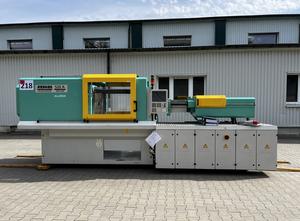
| Clamping force | 150 T |
|---|---|
| Tie bar spacing (H) | 500 mm |
| Shot volume | 377 cm³ |
| Pressure on material | 1892 bar |
| Platen width | 790 mm |
| Robot interface | |
| Mould size |
| Screw diameter | 50 mm |
|---|---|
| Tie bar spacing (V) | 500 mm |
| Shot weight | 343 g |
| Platen length | 780 mm |
| Equipped with robot | Yes |
| Number of heating zones | 5 |
 Poland
2005
| Clamping force | 1600 T |
|---|---|
| Tie bar spacing (H) | 520 mm |
| Shot volume | 201 cm³ |
| Pressure on material | 2000 bar |
| Platen width | 795 mm |
| Opening of the press | 450 mm |
| Screw diameter | 40 mm |
|---|---|
| Tie bar spacing (V) | 520 mm |
| Shot weight | 184 g |
| Platen length | 790 mm |
| Robot interface | |
| Mould size | 250-550 |

 Romania
 Italy
 Spain
 Malta
 EN
- Languages
 English (GB)
 English (US)
 Français
 Čeština
 Español
 Deutsch
 Italiano
 Polski
 Русский
 Türkçe
 Português
 Magyar
 Hrvatski
 Български
 Nederlands
 Ελληνικά
 Dansk
 Svenska
 Română
 Crpski
 Lietuvių