Showing 1 - 20 out of 171

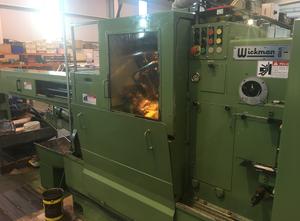
| Max. Ø | 430 mm |
|---|---|
| Max. length | 900 mm |
| Nbr of axes | 7 |
| Spindle speed | 5000 rpm |
| Nbr of spindles | 2 |
|---|---|
| Type of CNC | SIEMENS 840D |
| Number of tools | 24 |
| Spindle power | 29 kW |
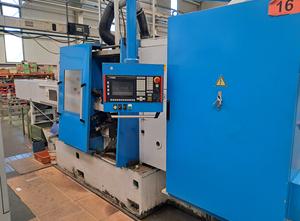
| Max. Ø | 16 mm |
|---|---|
| Max. length | 3000 mm |
| Nbr of axes | 6 |
| Spindle power | 11 kW |
| Nbr of spindles | 6 |
|---|---|
| Type of CNC | no |
| Spindle speed | 5000 rpm |
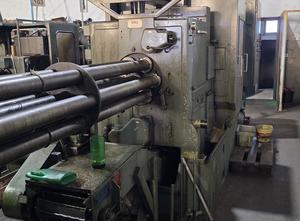
| Max. Ø | 35 mm |
|---|---|
| Max. length | 3000 mm |
| Nbr of spindles | 6 |
|---|---|
| Type of CNC | NUM |

 Czech Republic
2005
| Max. Ø | 35 mm |
|---|---|
| Nbr of axes | 8 |
| Spindle power | 7.5 kW |
| Type of CNC | Fanuc 16i-TB |
|---|---|
| Spindle speed | 7000 rpm |

 Finland
2000
| Max. Ø | 26 mm |
|---|---|
| Max. length | mm |
| Nbr of axes | |
| Spindle speed | 8000 rpm |
| Nbr of spindles | |
|---|---|
| Type of CNC | |
| Number of tools | |
| Spindle power | kW |

Czech Republic
1997
| Max. Ø | 25 mm |
|---|---|
| Max. length | 250 mm |
| Nbr of axes | 6 |
| Spindle speed | 8000 rpm |
| Nbr of spindles | 2 |
|---|---|
| Type of CNC | |
| Number of tools | 12 |
| Spindle power | 3.7 kW |

 Slovakia
1982
| Max. Ø | 14 mm |
|---|---|
| Type of CNC | |
| Spindle power | 7.4 kW |
| Nbr of spindles | 6 |
|---|---|
| Spindle speed | 6000 rpm |
 Portugal
1982
| Type of CNC |
|---|

Slovakia
1978
| Max. Ø | 14 mm |
|---|---|
| Type of CNC |
| Nbr of spindles | 6 |
|---|


 Poland
2015
| Max. Ø | 38 mm |
|---|---|
| Max. length | 350 mm |
| Nbr of axes | 11 |
| Spindle speed | 7000 rpm |
| Nbr of spindles | 2 |
|---|---|
| Type of CNC | FANUC Series 31i-MODEL B5 |
| Number of tools | 10 |
| Spindle power | 7.5 kW |

Czech Republic
2013
| Max. Ø | 32 mm |
|---|---|
| Type of CNC | FANUC |
| Nbr of spindles | 9 |
|---|---|
| Spindle speed | 10000 rpm |

| Max. Ø | 80 mm |
|---|---|
| Type of CNC | |
| Number of tools | 24 |
| Nbr of spindles | 2 |
|---|---|
| Nbr of axes | 2 |
| Spindle speed | 4000 rpm |

 Switzerland
2004
| Max. Ø | 760 mm |
|---|---|
| Max. length | 1524 mm |
| Nbr of axes | 6 |
| Spindle speed | 3300 rpm |
| Nbr of spindles | 2 |
|---|---|
| Type of CNC | Mazatrol PC Fusion CNC 640MT Pro |
| Number of tools | 50 |
| Spindle power | 30 kW |

| Max. Ø | 20 mm |
|---|---|
| Max. length | 160 mm |
| Nbr of axes | 18 |
| Spindle power | 15 kW |
| Nbr of spindles | 2 |
|---|---|
| Type of CNC | PNC-DECO |
| Spindle speed | 6000 rpm |

 Belgium
1992
| Max. Ø | 26 mm |
|---|---|
| Spindle speed | 3750 rpm |
| Type of CNC |
|---|

| Max. Ø | 80 mm |
|---|---|
| Type of CNC | |
| Number of tools | 24 |
| Nbr of spindles | 2 |
|---|---|
| Nbr of axes | 2 |
| Spindle speed | 4000 rpm |

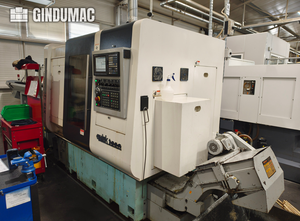
| Max. Ø | 20 mm |
|---|---|
| Type of CNC | FANUC 32i |
| Number of tools | 21 |
| Spindle power | 3.7 kW |
| Max. length | 165 mm |
|---|---|
| Nbr of axes | 7 |
| Spindle speed | 8000 rpm |
 Hungary
2013
| Max. Ø | 100 mm |
|---|---|
| Max. length | 350 mm |
| Nbr of axes | 4 |
| Spindle power | 7.5 kW |
| Nbr of spindles | 2 |
|---|---|
| Type of CNC | Mitsubishi M70 |
| Spindle speed | 4000 rpm |

 Spain
2011
| Max. Ø | 26 mm |
|---|---|
| Max. length | 250 mm |
| Number of tools | 25 |
| Nbr of spindles | 2 |
|---|---|
| Type of CNC | |
| Spindle speed | 8000 rpm |

Czech Republic
1993
| Max. Ø | 10 mm |
|---|---|
| Type of CNC | FANUC Series O-TT |
| Max. length | 70 mm |
|---|

 France
 Italy
 EN
- Languages
 English (GB)
 English (US)
 Français
 Čeština
 Español
 Deutsch
 Italiano
 Polski
 Русский
 Türkçe
 Português
 Magyar
 Hrvatski
 Български
 Nederlands
 Ελληνικά
 Dansk
 Svenska
 Română
 Crpski
 Lietuvių