Showing 1 - 20 out of 201

 France
2017
| Turning Ø | 150 mm |
|---|---|
| X-axis | 100 mm |
| Spindle taper | JIS A2-5 |
| Number of tools on turret | 10 |
| Turning speed | 10000 rpm |
| Bar feeder | no |
| Type of CNC | MITSUBISHI M730UM |
|---|---|
| Z-axis | 220 mm |
| Number of turrets | 2 |
| Number of rotating tools | 20 |
| Tailstock | no |

| Turning length | 800 mm |
|---|---|
| Ø above the bed | 550 mm |
| Length between centers | 900 mm |
| X-axis | 380 mm |
| Max workpiece weight | 900 kg |
| Spindle bore | 91 mm |
| Number of tools on turret | 16 |
| Turning speed | 3500 rpm |
| Turning Ø | 450 mm |
|---|---|
| Ø above transversing slide | 380 mm |
| Type of CNC | Fanuc 32i Plus |
| Z-axis | 800 mm |
| Spindle taper | ASA 8"' A2 |
| Number of turrets | 1 |
| Number of rotating tools | 16 |
| Spindle motor power | 42 kW |

France
2014
| Turning length | 564 mm |
|---|---|
| Ø above the bed | 923.8 mm |
| Length between centers | 512 mm |
| X-axis | 260 mm |
| Max workpiece weight | 80 kg |
| Spindle bore | 51 mm |
| Number of tools on turret | 12 |
| Turning speed | 6000 rpm |
| Turning Ø | 386 mm |
|---|---|
| Ø above transversing slide | 755 mm |
| Type of CNC | MAPPS M730BL |
| Z-axis | 590 mm |
| Spindle taper | A2-5" |
| Number of turrets | 1 |
| Number of rotating tools | 12 |
| Spindle motor power | 11 kW |

 Belgium
| Ø above the bed | 720 mm |
|---|---|
| Type of CNC | Siemens Sinumerik 840C |
| Z-axis | 1500 mm |
| Spindle bore | 110 mm |
| Turning speed | 4000 rpm |
| Tailstock | no |
| Length between centers | 1500 mm |
|---|---|
| X-axis | 320 mm |
| Spindle taper | A2-11 |
| Number of tools on turret | 12 |
| Spindle motor power | 62 kW |
| Bar feeder | no |

France
2006
| Turning length | 400 mm |
|---|---|
| Ø above the bed | 385 mm |
| Length between centers | 500 mm |
| X-axis | 200 mm |
| Max workpiece weight | 250 kg |
| Spindle bore | 66 mm |
| Number of tools on turret | 24 |
| Turning speed | 4000 rpm |
| Turning Ø | 340 mm |
|---|---|
| Ø above transversing slide | 640 mm |
| Type of CNC | FANUC 21i-TB Manual guide |
| Z-axis | 400 mm |
| Spindle taper | ASA 2-6" |
| Number of turrets | 1 |
| Number of rotating tools | 12 |
| Spindle motor power | 22 kW |

| Turning length | 278.5 mm |
|---|---|
| Ø above the bed | 545 mm |
| Length between centers | 400 mm |
| X-axis | 205 mm |
| Max workpiece weight | 150 kg |
| Spindle bore | 51 mm |
| Number of tools on turret | 24 |
| Turning speed | 26 rpm |
| Turning Ø | 206 mm |
|---|---|
| Ø above transversing slide | 300 mm |
| Type of CNC | FANUC Oi-TF |
| Z-axis | 380 mm |
| Spindle taper | A2-5" |
| Number of turrets | 1 |
| Number of rotating tools | 12 |
| Spindle motor power | 15 kW |

 Lithuania
1989
| Turning length | 3000 mm |
|---|---|
| Ø above the bed | 630 mm |
| X-axis | 320 mm |
| Max workpiece weight | 1600 kg |
| Spindle bore | 85 mm |
| Tailstock | no |
| Turning Ø | 360 mm |
|---|---|
| Type of CNC | Fanuc 15-T |
| Z-axis | 3000 mm |
| Spindle taper | |
| Number of tools on turret | 8 |
| Bar feeder | no |

 Italy
2004
| Turning length | 600 mm |
|---|---|
| Ø above the bed | 250 mm |
| Length between centers | 475 mm |
| X-axis | 140 mm |
| Max workpiece weight | 3000 kg |
| Spindle bore | 53 mm |
| Number of tools on turret | 12 |
| Turning speed | 5000 rpm |
| Turning Ø | 250 mm |
|---|---|
| Ø above transversing slide | mm |
| Type of CNC | fanuc serie 21t |
| Z-axis | 640 mm |
| Spindle taper | |
| Number of turrets | 12 |
| Number of rotating tools | |
| Spindle motor power | 5.5 kW |

Belgium
2003
| Turning length | 5000 mm |
|---|---|
| Ø above the bed | 1250 mm |
| Length between centers | 5000 mm |
| Max workpiece weight | 6000 kg |
| Spindle bore | 128 mm |
| Spindle motor power | 44 kW |
| Bar feeder | no |
| Turning Ø | 1250 mm |
|---|---|
| Ø above transversing slide | 930 mm |
| Type of CNC | Heidenhain control |
| Spindle taper | |
| Turning speed | 800 rpm |
| Tailstock | no |


Italy
1994
| Turning length | 1250 mm |
|---|---|
| Ø above the bed | 420 mm |
| Length between centers | 1250 mm |
| X-axis | 280 mm |
| Max workpiece weight | 7500 kg |
| Spindle bore | 94 mm |
| Number of tools on turret | 12 |
| Turning speed | 2500 rpm |
| Turning Ø | 500 mm |
|---|---|
| Ø above transversing slide | 420 mm |
| Type of CNC | PHILIPS 432 T |
| Z-axis | 1260 mm |
| Spindle taper | ASA A/8 |
| Number of turrets | 1 |
| Number of rotating tools | 0 |
| Spindle motor power | 15 kW |

 Norway
1999
| Type of CNC | Mazatrol |
|---|---|
| Tailstock | no |
| Spindle taper | |
|---|---|
| Bar feeder | no |

 Denmark
2001
| Turning length | 730 mm |
|---|---|
| Type of CNC | Fanuc 18I |
| Z-axis | 750 mm |
| Spindle bore | 77 mm |
| Spindle motor power | 22 kW |
| Bar feeder | no |
| Turning Ø | 330 mm |
|---|---|
| X-axis | 245 mm |
| Spindle taper | |
| Turning speed | 3500 rpm |
| Tailstock | no |
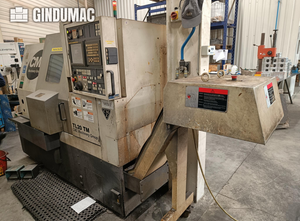
Belgium
2004
| Turning Ø | 450 mm |
|---|---|
| Ø above transversing slide | 430 mm |
| Type of CNC | CNC |
| Z-axis | 740 mm |
| Number of turrets | 1 |
| Turning speed | 4500 rpm |
| Tailstock | no |
| Ø above the bed | 650 mm |
|---|---|
| Length between centers | 750 mm |
| X-axis | 180 mm |
| Spindle bore | 73 mm |
| Number of tools on turret | 12 |
| Spindle motor power | 22 kW |
| Bar feeder | no |

Belgium
2023
| Turning length | 826 mm |
|---|---|
| Ø above the bed | 533 mm |
| Type of CNC | |
| Z-axis | 584 mm |
| Spindle bore | 88.9 mm |
| Tailstock | no |
| Turning Ø | 349 mm |
|---|---|
| Length between centers | 826 mm |
| X-axis | 239 mm |
| Spindle taper | |
| Turning speed | 4500 rpm |
| Bar feeder | no |
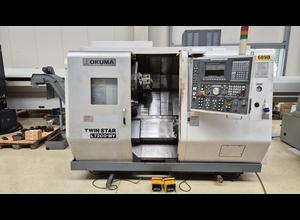
| Turning length | 700 mm |
|---|---|
| Ø above the bed | 210 mm |
| Type of CNC | OSP-E 100 L |
| Z-axis | 700 mm |
| Spindle bore | 53 mm |
| Number of tools on turret | 12 |
| Turning speed | 5000 rpm |
| Tailstock | no |
| Turning Ø | 400 mm |
|---|---|
| Length between centers | 960 mm |
| X-axis | 192 mm |
| Spindle taper | |
| Number of turrets | 2 |
| Number of rotating tools | 12 |
| Spindle motor power | 11 kW |
| Bar feeder | yes |

| Max. Ø | 32 mm |
|---|---|
| Type of CNC | FANUC 18 |
| Type of main spindle | F37 |
| Number of tools | 20 |
| Spindle speed | 7000 rpm |
| Max. length | 250 mm |
|---|---|
| Nbr of axes | 7 |
| Type of back spindle | F37 |
| Number of rotating tools | 5 |
| Spindle power | 5.6 kW |

| Turning length | 450 mm |
|---|---|
| Ø above the bed | 505 mm |
| Length between centers | 470 mm |
| X-axis | 210 mm |
| Spindle taper | ASA B5.9 |
| Number of turrets | 1 |
| Number of rotating tools | 2 |
| Spindle motor power | 15 kW |
| Turning Ø | 260 mm |
|---|---|
| Ø above transversing slide | 318 mm |
| Type of CNC | CNC Lathe |
| Z-axis | 470 mm |
| Spindle bore | 55 mm |
| Number of tools on turret | 12 |
| Turning speed | 4500 rpm |
| Tailstock | yes |

Denmark
2011
| Turning length | 2000 mm |
|---|---|
| Ø above transversing slide | 1135 mm |
| Max workpiece weight | 3500 kg |
| Spindle bore | 153 mm |
| Turning speed | 700 rpm |
| Bar feeder | no |
| Ø above the bed | 760 mm |
|---|---|
| Type of CNC | Fanuc 0itf |
| Spindle taper | |
| Number of tools on turret | 12 |
| Tailstock | no |

Denmark
2004
| Turning length | 1032 mm |
|---|---|
| Ø above transversing slide | 610 mm |
| X-axis | 230 mm |
| Spindle taper | |
| Number of tools on turret | 12 |
| Spindle motor power | 26 kW |
| Bar feeder | no |
| Turning Ø | 380 mm |
|---|---|
| Type of CNC | |
| Z-axis | 1000 mm |
| Spindle bore | 80 mm |
| Turning speed | 4000 rpm |
| Tailstock | no |

France
2002
| Turning Ø | 800 mm |
|---|---|
| Ø above transversing slide | 500 mm |
| Type of CNC | SIEMENS 840 |
| Spindle taper | |
| Turning speed | 1800 rpm |
| Bar feeder | no |
| Ø above the bed | 800 mm |
|---|---|
| Length between centers | 4000 mm |
| Max workpiece weight | 3000 kg |
| Spindle bore | 140 mm |
| Tailstock | yes |

 Romania
 Germany
 Croatia
 EN
- Languages
 English (GB)
 English (US)
 Français
 Čeština
 Español
 Deutsch
 Italiano
 Polski
 Русский
 Türkçe
 Português
 Magyar
 Hrvatski
 Български
 Nederlands
 Ελληνικά
 Dansk
 Svenska
 Română
 Crpski
 Lietuvių