Showing 1 - 20 out of 125

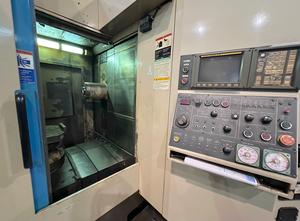
| Nbr of pallets | 2 |
|---|---|
| Axis Y | 440 mm |
| Type | Vertical |
| Palette length | 950 mm |
| Max. part weight | 500 kg |
| Spindle taper | ISO 40 |
| Axis X | 860 mm |
|---|---|
| Axis Z | 630 mm |
| CNC | MITSUBISHI MELDAS 520AM |
| Palette width | 400 mm |
| Number of tool pockets | 24 |
| Spindle rotation speed | 10000 rpm |
 Italy
2000
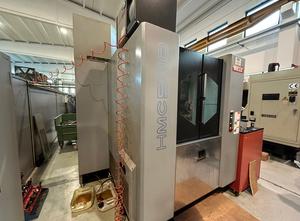
| Nbr of pallets | 2 |
|---|---|
| Axis Y | 650 mm |
| Type | Horizontal |
| Palette length | 400 mm |
| Max. part weight | 400 kg |
| Spindle taper | iso40 |
| Spindle motor power | 7.5 kW |
| Axis X | 650 mm |
|---|---|
| Axis Z | 600 mm |
| CNC | |
| Palette width | 400 mm |
| Number of tool pockets | 30 |
| Spindle rotation speed | 6000 rpm |
Italy
2018
| Nbr of pallets | 2 |
|---|---|
| Axis Y | 680 mm |
| Type | Horizontal |
| Palette length | 500 mm |
| Max. part weight | 500 kg |
| Spindle taper | BT40 |
| Axis X | 640 mm |
|---|---|
| Axis Z | 610 mm |
| CNC | Fanuc 0IMF |
| Palette width | 500 mm |
| Number of tool pockets | 60 |
| Spindle rotation speed | 15000 rpm |

| Nbr of pallets | 2 |
|---|---|
| Axis Y | 800 mm |
| Type | Horizontal |
| Palette length | 630 mm |
| Max. part weight | 1200 kg |
| Spindle rotation speed | 12000 rpm |
| Axis X | 1000 mm |
|---|---|
| Axis Z | 820 mm |
| CNC | Fanuc 16i-MB |
| Palette width | 630 mm |
| Spindle taper | ISO 50 |

| Nbr of pallets | 2 |
|---|---|
| Axis Y | 3000 mm |
| Type | Horizontal |
| Palette length | 1000 mm |
| Max. part weight | kg |
| Spindle taper | ISO 50 |
| Spindle motor power | 22 kW |
| Axis X | 1300 mm |
|---|---|
| Axis Z | 1700 mm |
| CNC | Heidenhain TNC 415 |
| Palette width | 1000 mm |
| Number of tool pockets | 72 |
| Spindle rotation speed | 2500 rpm |

| Nbr of pallets | 4 |
|---|---|
| Axis Y | 800 mm |
| Type | Horizontal |
| Palette length | 630 mm |
| Max. part weight | 1500 kg |
| Spindle taper | |
| Spindle motor power | 37 kW |
| Axis X | 100 mm |
|---|---|
| Axis Z | 850 mm |
| CNC | Siemens 840D |
| Palette width | 800 mm |
| Number of tool pockets | 125 |
| Spindle rotation speed | 10000 rpm |

| Nbr of pallets | 16 |
|---|---|
| Axis Y | 700 mm |
| Type | Horizontal |
| Palette length | 630 mm |
| Number of tool pockets | 148 |
| Spindle rotation speed | 8000 rpm |
| Axis X | 940 mm |
|---|---|
| Axis Z | 800 mm |
| CNC | FANUC 16M |
| Palette width | 630 mm |
| Spindle taper | ISO 50 |
| Spindle motor power | 25 kW |

Italy
2004
| Nbr of pallets | 2 |
|---|---|
| Axis Y | 300 mm |
| Type | Vertical |
| Max. part weight | 2500 kg |
| Spindle taper | BT30 |
| Spindle motor power | 15 kW |
| Axis X | 500 mm |
|---|---|
| Axis Z | 500 mm |
| CNC | fanuc 0i-MB |
| Number of tool pockets | 16 |
| Spindle rotation speed | 10000 rpm |

| Nbr of pallets | 2 |
|---|---|
| Axis Y | 400 mm |
| Type | Vertical |
| Palette length | 900 mm |
| Number of tool pockets | 20 |
| Spindle rotation speed | 8000 rpm |
| Axis X | 625 mm |
|---|---|
| Axis Z | 400 mm |
| CNC | FANUC 0M |
| Palette width | 470 mm |
| Spindle taper | ISO40 |
| Spindle motor power | 18.5 kW |


 Czech Republic
2000
| Nbr of pallets | 2 |
|---|---|
| Axis Y | 1000 mm |
| Type | Vertical |
| Palette length | 1250 mm |
| Max. part weight | kg |
| Spindle taper | ISO50 |
| Spindle motor power | 22 kW |
| Axis X | 1600 mm |
|---|---|
| Axis Z | 750 mm |
| CNC | Heidenhain TNC530 |
| Palette width | 1000 mm |
| Number of tool pockets | |
| Spindle rotation speed | 10000 rpm |

Czech Republic
2021
| Nbr of pallets | 2 |
|---|---|
| Axis Y | 750 mm |
| Type | Horizontal |
| Palette length | 800 mm |
| Max. part weight | 2500 kg |
| Spindle taper | ISO 50 |
| Spindle motor power | 27.5 kW |
| Axis X | 1000 mm |
|---|---|
| Axis Z | 750 mm |
| CNC | HEIDENHAIN |
| Palette width | 800 mm |
| Number of tool pockets | 50 |
| Spindle rotation speed | 2000 rpm |

Czech Republic
2000
| Nbr of pallets | 2 |
|---|---|
| Axis Y | 1000 mm |
| Type | Vertical |
| Palette length | 1000 mm |
| Max. part weight | kg |
| Spindle taper | ISO50 |
| Spindle motor power | 22 kW |
| Axis X | 1600 mm |
|---|---|
| Axis Z | 750 mm |
| CNC | Heidenhain TNC 530 |
| Palette width | 1250 mm |
| Number of tool pockets | |
| Spindle rotation speed | 10000 rpm |

 Slovakia
1995
| Nbr of pallets | 6 |
|---|---|
| Axis Y | 600 mm |
| Type | Horizontal |
| Palette length | 500 mm |
| Number of tool pockets | 120 |
| Spindle rotation speed | 6000 rpm |
| Axis X | 800 mm |
|---|---|
| Axis Z | 600 mm |
| CNC | |
| Palette width | 500 mm |
| Spindle taper |

| Nbr of pallets | 2 |
|---|---|
| Axis Y | 760 mm |
| Type | Horizontal |
| Palette length | 630 mm |
| Max. part weight | 1200 kg |
| Spindle taper | |
| Spindle motor power | 30 kW |
| Axis X | 840 mm |
|---|---|
| Axis Z | 840 mm |
| CNC | |
| Palette width | 630 mm |
| Number of tool pockets | 60 |
| Spindle rotation speed | 10000 rpm |

| Nbr of pallets | 2 |
|---|---|
| Axis Y | 300 mm |
| Type | Vertical |
| Palette length | 950 mm |
| Max. part weight | kg |
| Spindle taper | 36 |
| Spindle motor power | 9.5 kW |
| Axis X | 500 mm |
|---|---|
| Axis Z | 350 mm |
| CNC | |
| Palette width | 800 mm |
| Number of tool pockets | 36 |
| Spindle rotation speed | 9000 rpm |

Italy
2006
| Nbr of pallets | 12 |
|---|---|
| Axis Z | 560 mm |
| CNC | FANUC Serie 31i-Model A |
| Palette width | 400 mm |
| Number of tool pockets | 120 |
| Spindle rotation speed | 12000 rpm |
| Axis Y | 560 mm |
|---|---|
| Type | Horizontal |
| Palette length | 400 mm |
| Max. part weight | 400 kg |
| Spindle taper | MAS-BT40 |
| Spindle motor power | 25 kW |

| Nbr of pallets | 2 |
|---|---|
| Axis Y | 500 mm |
| Type | Vertical |
| Palette length | 1030 mm |
| Max. part weight | 400 kg |
| Spindle taper | HSK63 |
| Spindle motor power | 18.5 kW |
| Axis X | 700 mm |
|---|---|
| Axis Z | 400 mm |
| CNC | Vertical |
| Palette width | 520 mm |
| Number of tool pockets | 24 |
| Spindle rotation speed | 14000 rpm |

| Nbr of pallets | 4 |
|---|---|
| Axis Y | 508 mm |
| Type | Vertical |
| Palette length | 400 mm |
| Max. part weight | 300 kg |
| Spindle taper | CAT / BT40 |
| Spindle motor power | 15 kW |
| Axis X | 762 mm |
|---|---|
| Axis Z | 610 mm |
| CNC | WINMAX |
| Palette width | 400 mm |
| Number of tool pockets | 40 |
| Spindle rotation speed | 14000 rpm |

 Croatia
2021
| Axis X | 559 mm |
|---|---|
| Axis Z | 508 mm |
| CNC | haas ngc |
| Number of tool pockets | 301 |
| Spindle rotation speed | 12000 rpm |
| Axis Y | 406 mm |
|---|---|
| Type | Vertical |
| Max. part weight | 399 kg |
| Spindle taper | |
| Spindle motor power | 22.4 kW |

| Nbr of pallets | 24 |
|---|---|
| Axis Y | 600 mm |
| Type | Horizontal |
| Palette length | 500 mm |
| Number of tool pockets | 240 |
| Spindle rotation speed | 12000 rpm |
| Axis X | 600 mm |
|---|---|
| Axis Z | 600 mm |
| CNC | MATSUURA G-Tech 16i |
| Palette width | 500 mm |
| Spindle taper | ISO 40 |

 Turkey
 France
 EN
- Languages
 English (GB)
 English (US)
 Français
 Čeština
 Español
 Deutsch
 Italiano
 Polski
 Русский
 Türkçe
 Português
 Magyar
 Hrvatski
 Български
 Nederlands
 Ελληνικά
 Dansk
 Svenska
 Română
 Crpski
 Lietuvių